Nutrition & Wellbeing for Women 50+
Enjoy life now. Build strength for what comes next.
Your 50s can be a time to invest in yourself, feel stronger and build the foundations for a healthy, active life in the years ahead.
I offer practical nutrition and wellbeing support for women in their 50s who want more energy, greater strength and confidence in how to look after their health.
Whether you’re experiencing low energy, changes in weight or body composition, poor sleep, digestive discomfort, or simply don’t feel quite like yourself, we’ll look at what could make the biggest difference for you.
My approach is realistic and designed to fit around everyday life. We’ll focus on good nutrition, movement, sleep and sustainable habits, without restrictive diets or trying to change everything at once.
Because looking after yourself now isn’t just about feeling better today. It’s about building the strength and health to keep doing the things you love for years to come.
Based in Honiton, East Devon, I work with women locally and online.
STRONGER FOR LIFE PROGRAMME
A 10-week premium group nutrition and wellbeing programme for women 50+, with three individual 1-to-1 sessions
Imagine feeling more energised, stronger in your body and confident that the choices you’re making now are supporting your health for the years ahead.
Stronger for Life combines the motivation and shared experience of a small supportive group with individual 1-to-1 guidance from me. It’s for women who are ready to invest in their health and want practical guidance, accountability and support to turn what they learn into healthier habits that work in real life.
Over 10 weeks, we’ll explore the areas that can make the biggest difference to your health after 50, including nutrition, strength and movement, sleep and restoration, and the habits and mindset that support lasting change.
What you’ll receive
• Regular live online group sessions with Q&A
• Three 60-minute 1-to-1 sessions, at the beginning, midpoint and end
• Practical nutrition guidance that takes account of your lifestyle, goals and current habits
• Support with nutrition, energy, gut health, sleep and restoration
• Guidance around strength, movement and staying physically capable as you age
• Weekly accountability, practical resources and private group support between sessions
By the end of the 10 weeks, you’ll have a clearer understanding of what your body needs, healthier habits that fit your life and greater confidence in how to support your strength, energy and long-term health.
£595

HEALTHY HABITS KICKSTART
A practical 4-week online group programme for women 50+
Want to feel more energised and get your health habits back on track without trying to change everything at once?
Healthy Habits Kickstart gives you the practical guidance, motivation and group support to make small, achievable changes that fit into everyday life.
Over four weeks, we’ll focus on the foundations that can make a real difference to how you feel, including nutrition, energy, movement, sleep and everyday habits.
What you’ll receive
• Four live online group sessions with Q&A
• Practical nutrition and healthy eating guidance
• Support with energy, sleep, movement and everyday habits
• Simple actions to focus on each week
• Meal ideas and practical resources
• Private group support and accountability between sessions
• Replays if you can’t attend live
By the end of the four weeks, you’ll have a better understanding of what your body needs and a set of healthier habits you can continue building on.
Healthy Habits Kickstart runs at selected times during the year, with small groups to keep the experience supportive and personal.
£125 introductory price
What your body needs after 50
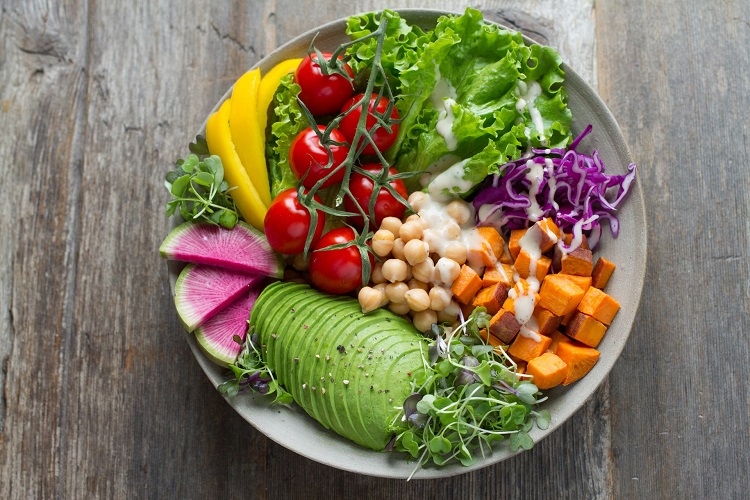
Nutrition becomes increasingly important as we move through our 50s and beyond. Changes in hormones, muscle mass, bone health, body composition and energy needs can mean that the way we ate in our 30s and 40s may no longer serve us quite as well.
This isn’t about eating less or following another restrictive diet. It’s about eating in a way that supports energy, muscle, strength, healthy ageing and long-term health.
Protein, fibre-rich foods, healthy fats, good hydration and balanced meals can all play a part, alongside movement, sleep and the everyday habits that support how you feel.
WHY GUT HEALTH MATTERS AFTER 50
Gut health is about far more than digestion and can play an important role in our overall health and wellbeing.
As we move through menopause and into our postmenopausal years, changes in hormones and digestion can affect how our gut functions. Some women notice slower digestion, constipation, bloating or digestive discomfort, while others notice very little change. Everyone is individual.
There is also a fascinating connection between the gut and brain, known as the gut-brain axis, with the vagus nerve playing an important role in communication between the two.
Around 95% of the body’s serotonin is produced in the gut, where it plays an important role in digestive function, including gut motility.
Supporting your gut doesn’t need to be complicated. A varied diet rich in plant foods and fibre, good hydration and regular movement can all help support digestive health.
“A healthier gut can support a happier mind and body. What we eat really does make a difference.”